A bounced cheque can be a deeply frustrating experience, often leading to financial hardship and uncertainty. What many people don’t realize is that it is not merely a financial inconvenience, but a serious legal offense in India. The law provides a robust and effective framework for recourse. If you have ever been in this situation, understanding the legal process is the first step toward securing your payment.
What is a Cheque Bounce?
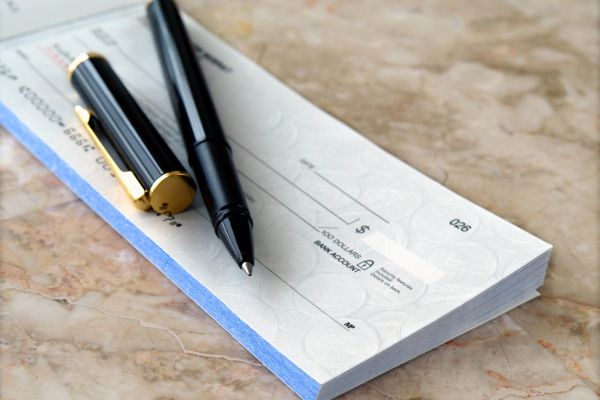
A cheque is considered “bounced” or “dishonored” when the bank returns it unpaid. This typically happens for reasons such as ‘insufficient funds,’ ‘mismatch in signature,’ ‘stop payment,’ or ‘account closed.’ While some of these might be genuine mistakes, a cheque bounce due to insufficient funds is a criminal offense under Indian law, and the issuer of the cheque can face severe penalties.
The Legal Framework: The Negotiable Instruments Act, 1881
The primary law that governs cheque bounce cases is the Negotiable Instruments Act of 1881, specifically Section 138. This section makes the dishonor of a cheque for insufficiency of funds a criminal offense. The law is designed to give the payee (the person receiving the cheque) a powerful tool to recover their money and deter others from issuing cheques without the intention or means to pay. However, the legal process must be followed meticulously to be effective.
The Step-by-Step Legal Process
If a cheque issued to you bounces, here is the sequence of legal steps you must follow:
- Legal Notice: The first and most crucial step is to send a legal notice to the person who issued the cheque (the drawer). This notice must be sent within 30 days from the date you received the “cheque return memo” from your bank. The notice should clearly state the amount due and demand payment.
- Fifteen-Day Window: The drawer is given a period of 15 days from the date they receive the legal notice to make the payment. If they fail to do so, a cause of action arises, and you can proceed with legal action.
- Filing a Criminal Complaint: If the payment is not made within the 15-day period, you must file a criminal complaint in the relevant magistrate’s court within 30 days. The complaint should be accompanied by the original cheque, the return memo, and a copy of the legal notice.
- Consequences for the Drawer: If found guilty, the drawer can be punished with imprisonment for a term that may extend to two years, or with a fine which may extend to twice the amount of the cheque, or both.
Why You Need Legal Counsel
While the steps might seem straightforward, the legal process is highly time-sensitive and requires careful execution. A small error, such as a missed deadline or an improperly drafted legal notice, can lead to your case being dismissed. A skilled advocate is essential to ensure every legal formality is correctly fulfilled. They can draft a robust legal notice, file the complaint accurately, and represent you effectively in court, significantly increasing your chances of a successful and swift resolution.
If you are facing a cheque bounce issue, swift legal action is your best course. Don’t let your money remain unpaid. Contact a legal professional today to understand your rights and take the necessary steps toward a just outcome.